
So, How Did This Happen?
Follow along and listen to the Journal of Jack the Anvil!
Together Again started with a simple question:
What if we tried to get the boys back together again?
It had been fifteen years since our group had sat down for a proper tabletop RPG. Back in high school and through our twenties, we played constantly. Campaigns ran for years. Characters lived, died, did incredible…and sometimes, questionable things.
Then life did what life does…careers, marriages, kids, relocations. The table slowly went quiet.
Enter… Virtual Tabletops!
Suddenly, distance didn’t matter as much. Schedules were still tricky, but not impossible. So we decided to give it a shot. Not just to play a game, not just to see if we could still roll those dice like we used to, but to recapture that old magic and camaraderie of yesteryear.
That’s where the name came from: Together Again.
At first, it was about us.
As the campaign unfolded… it became about something more.
Why Ptolus?
When I started thinking about what to run, I stumbled across Ptolus.
It’s massive. Over 670 pages. I picked it up out of curiosity and then completely disappeared into it for a couple of weeks. The amount of detail packed into that book is staggering: factions, districts, crime syndicates, noble houses, dungeon layers, weird arcane secrets. It’s dense in the best possible way!
It quickly became one of my favorite settings of all time.
I had also never run an urban campaign before. Wait…no wilderness hex crawls? No long overland treks? No shadowy forests or snow covered peaks? Nope…just one enormous, living city full of politics, secrets, and consequences.
Turns out?
Urban campaigns are awesome!
Watching players carve out space in a city that doesn’t care about them…a city that reacts to them…became one of my favorite experiences as a GM.
What the Campaign Became
The story started small.
A handful of refugees fleeing the war-torn city of Tarsis arrived in Ptolus looking for a fresh start. They found dock work. They shared rooms in a flophouse. They mapped taverns. They made friends.
They also made enemies.
They tangled with crime bosses. They uncovered cults. They discovered chaositech horrors. They made uneasy alliances with powerful factions. And somewhere along the way, they found and began protecting children known as Runeborn; marked by strange runes and hunted by people who wanted to exploit them….use them….kill them….control them.
They started a business.
They built relationships.
They did morally gray things for what they believed were the right reasons.
Over two years of play, the stakes kept escalating. What began as survival in the docks grew into something much bigger.
Eventually, they set out to stop Killraven’s “ascension” and save the final Runeborn.
They knew they were walking into something far beyond them.
They were not sure they would survive.
They did not return.
The business they founded continued to operate.
The Runeborn children survived and were taken in by the Lords of Castle Shard.
The next campaign will follow those children, now grown, as they try to uncover what happened to the people who saved them.
The Cast
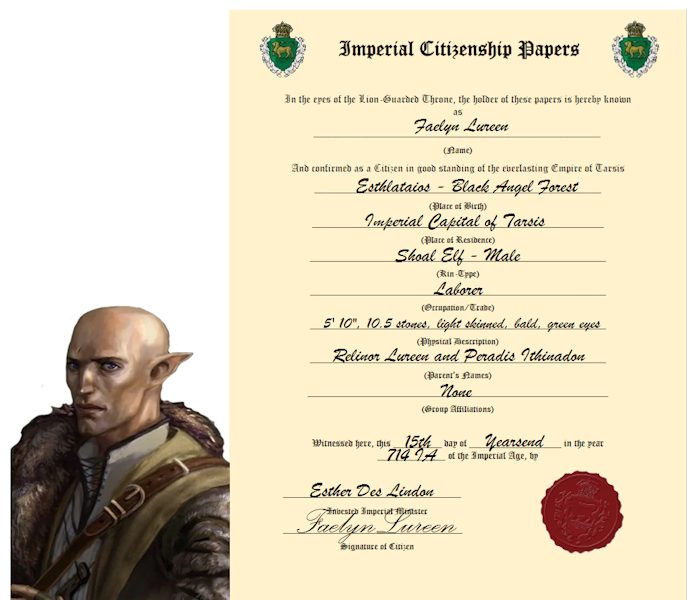
Faelyn Lureen - Played by Nathan
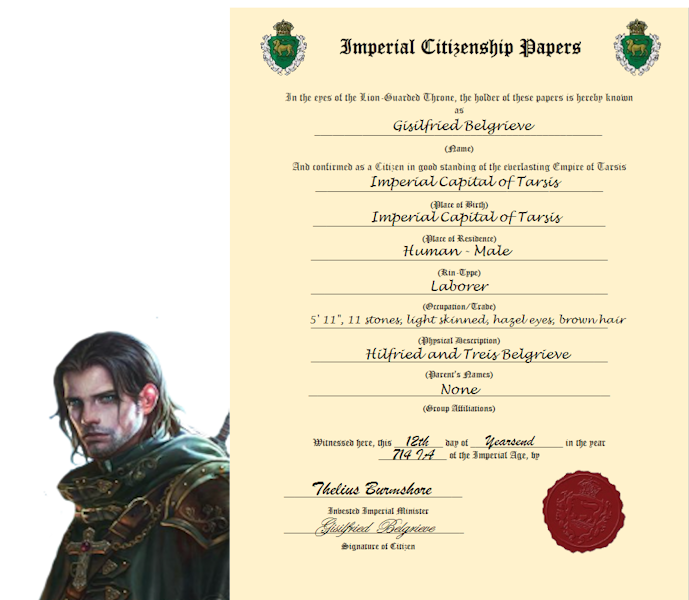
Gisilfried Belgrieve - Played by John
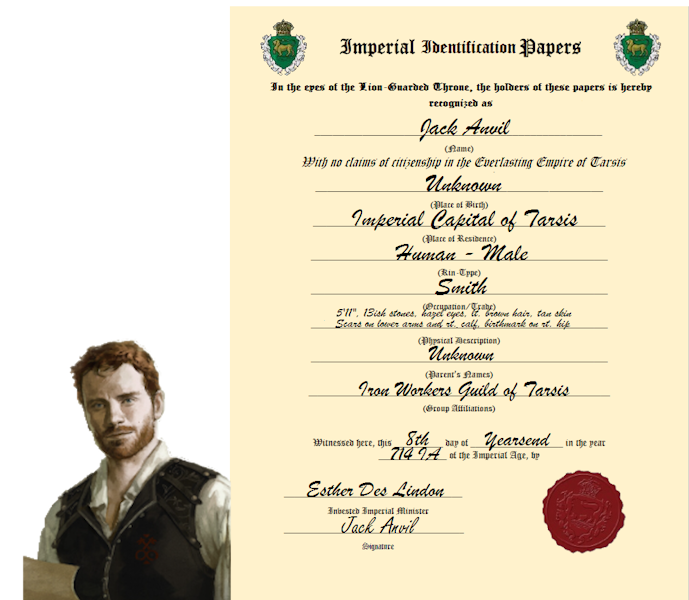
Jack the Anvil - Played by Blake
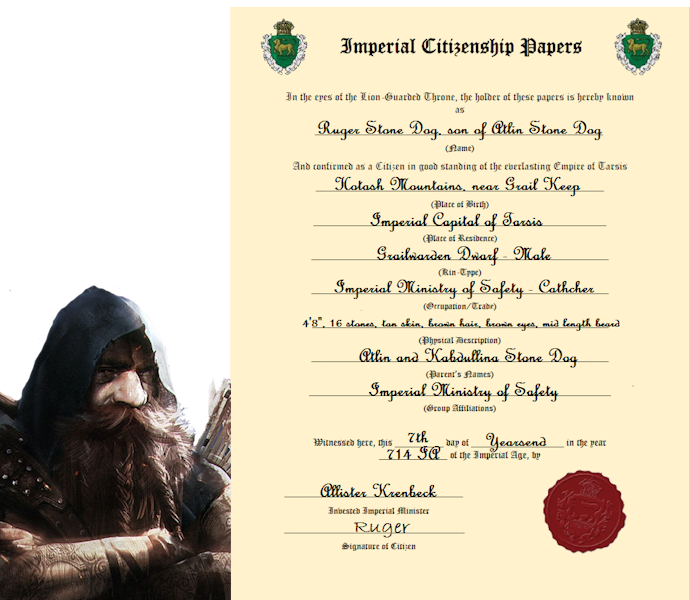
Ruger the Dog Catcher - Played by Noah
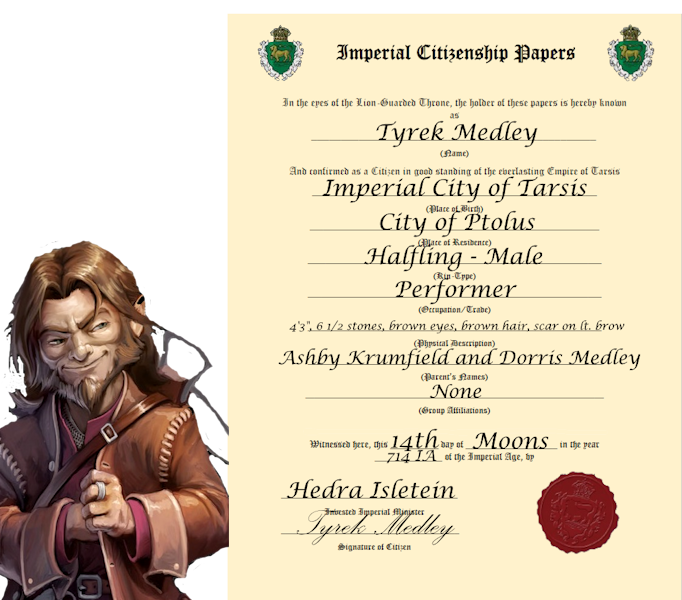
Tyrek Medley - Played by Nick (Major NPC)
About the Journal
What you’re about to read isn’t a cleaned-up recap.
It’s the in-character journal of Jack the Anvil, one of the party members. It only contains what he saw, what he understood, and what he chose to write down. Things that happened off-screen? Things that happened solely to other characters? They’re not here.
The final entry ends as the party heads off to confront Killraven.
There’s no epilogue.
No explanation.
Just a blank page after that.
The journal was later found among Jack’s belongings by one of the Runeborn he once protected.
What follows is that journal, presented largely as it was written.
